Butter chicken has a supposedly-true origin story that's too good not to mention: legend has it that a Delhi restaurant called Moti Mahal invented it in the 1950s as a way to use up leftover tandoori chicken. Chefs there simmered the dried-out pieces in a tomato-butter-cream sauce to bring them back to life, and the "fix" ended up more famous than the original dish. Whether or not that's exactly how it happened, it explains a lot about the texture you're going for here — the chicken should taste like it was cooked twice, once in a marinade and again in a sauce, rather than boiled once in curry.
That's why the marinade step matters more than most home cooks give it credit for. An hour of resting in yogurt, lemon, and garam masala will get you a decent result. Overnight changes the texture completely — the acid in the yogurt tenderizes the chicken thighs enough that they stay juicy even after being seared and then simmered a second time in the sauce. If you're cooking this on a weeknight with no lead time, it's still worth it, just don't expect the same result you'd get from planning ahead.
A question that comes up constantly: what's actually different between this and chicken tikka masala? In practice, very little separates them at the restaurant level, but the intent is different. Butter chicken is built to be mellow and rich, finished with real butter and cream and meant to taste indulgent rather than fiery. Tikka masala, especially the versions that developed in the UK, tends to lean spicier and more tomato-forward. If you make this and want to push it in the tikka direction, add extra cayenne and skip blending the sauce smooth.
Speaking of blending — that's a genuine fork in the road, not a formality. Blending the tomato-onion base until silky gives you the glossy, restaurant-style sauce most people expect. Leaving it rustic and chunky gives a heartier, more home-style result that some people actually prefer once they've tried both. Neither is more "correct."
One thing to watch for near the end: once the cream goes in, keep the heat gentle. A hard boil at that stage can cause the sauce to split, leaving you with an oily, broken texture instead of a smooth one. If that happens, a splash of cold cream whisked in off the heat usually pulls it back together.
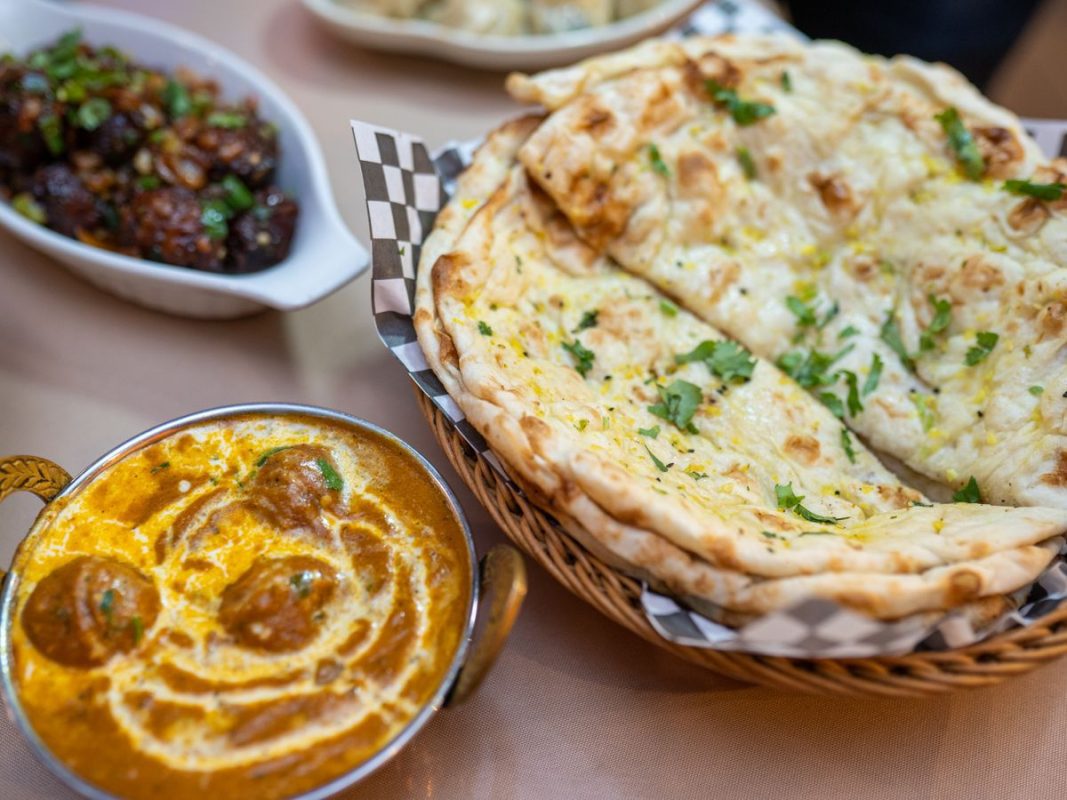
Serve it the way it's meant to be eaten — over rice or scooped up with naan, with the sauce doing most of the work. Leftovers keep well for a few days and actually taste better the next day, once the spices have had more time to settle into the sauce.
For the direct side-by-side comparison mentioned above, Chicken Tikka Masala shares the same base with a spicier, tomato-forward direction.